"Halal" on a restaurant's Instagram bio costs nothing. A certified halal supply chain, maintained every week across every delivery, costs considerably more — in money, in logistics, and in the discipline to never take shortcuts when no one is watching. Here's what that actually involves, and why it matters if you're choosing where to eat in Ottawa.
We've operated as a halal-certified restaurant since we opened in 2019. Both our Bells Corners and Stittsville locations source all meat from certified halal suppliers. It's not a marketing angle — it's how our kitchen has worked from day one, because it matters to us and to a large portion of our Ottawa community.
What Halal Certification Actually Means
Halal certification is not a single label — there are several certifying bodies in Canada, and they vary in their standards. At the core, halal meat must come from an animal slaughtered in the prescribed Islamic manner: a trained person performing the slaughter, an invocation of God's name, and specific requirements about blood drainage and the condition of the animal. The animal must also be alive and healthy at the time of slaughter.
In practice, the credible Canadian halal certifiers — the Islamic Food and Nutrition Council of Canada (IFANCC), the Halal Monitoring Authority (HMA), and others — do ongoing audits of the slaughterhouses, processing facilities, and sometimes the restaurants or retailers they certify. The certificate is not a one-time check. It can be revoked.
When a restaurant says "we use halal chicken," that statement means nothing without knowing which supplier, which certifier, and when the certification was last verified. The honest version is a full supply chain answer, not a menu claim.
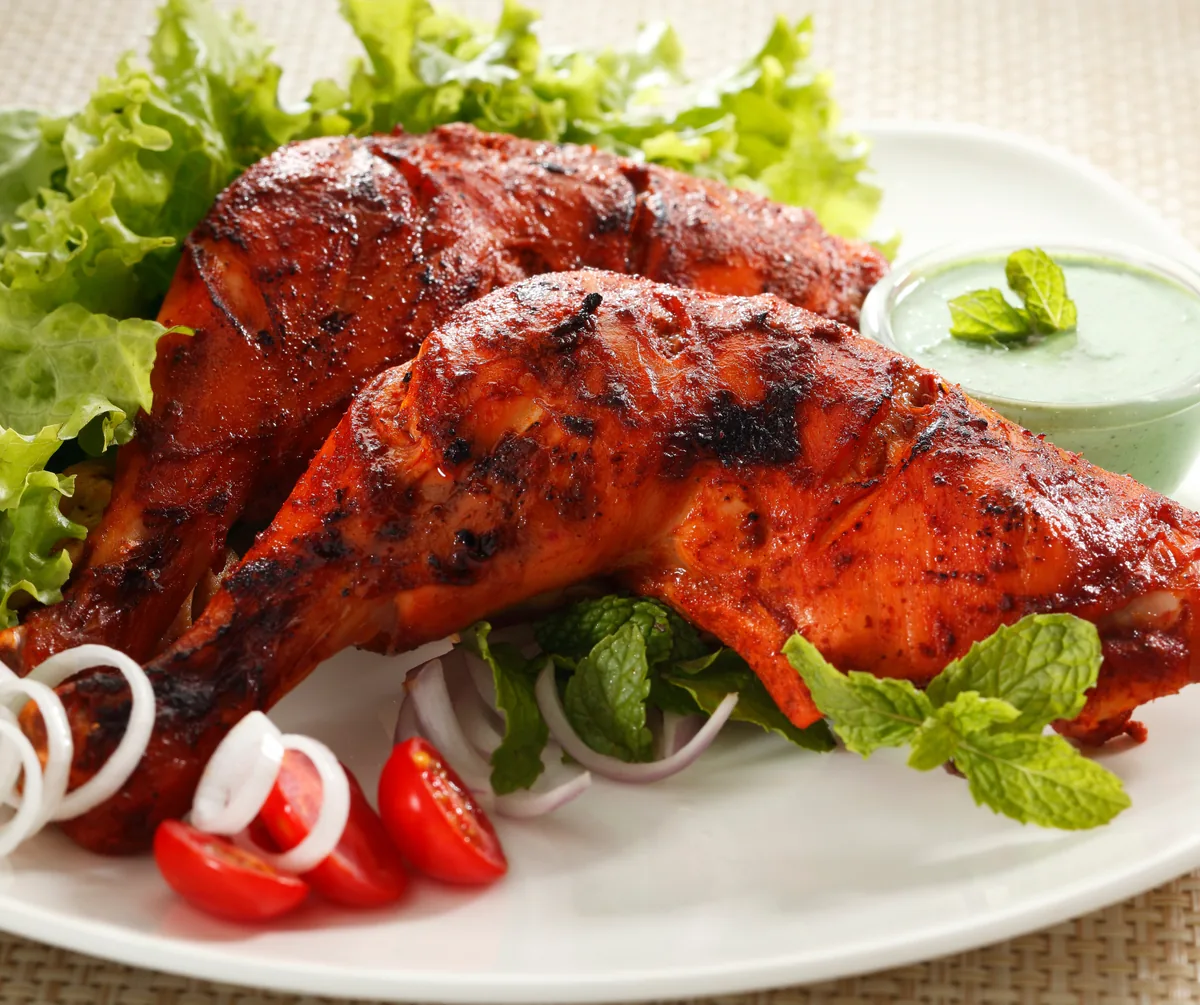
How to Identify Genuinely Halal Restaurants in Ottawa
Ottawa has a significant Muslim population and, correspondingly, a number of restaurants that claim halal status. Here's a practical checklist for evaluating those claims:
Before You Order — 5 Questions to Ask
- Which certifying body? Ask for the name of the halal certifier — not just "certified halal." Look it up. Is it a recognized Canadian organization?
- Which supplier? A credible restaurant can name its meat supplier. If staff don't know, that's information.
- Does the certificate cover all meat? Some restaurants certify chicken but not lamb or beef. Ask about each protein you intend to order.
- Is there alcohol served in the kitchen? Some halal observers require a fully alcohol-free environment; others do not. Know your standard and ask.
- When was certification last renewed? An honest answer is a good sign. A defensive one is also informative.
Our Supply Chain at Desi Tadka
Our chicken, lamb, and goat all come from halal-certified suppliers. We verify certification at the supplier level before onboarding any new source, and we check it annually. When suppliers change — which occasionally happens due to availability — the halal certification requirement is non-negotiable for any replacement.
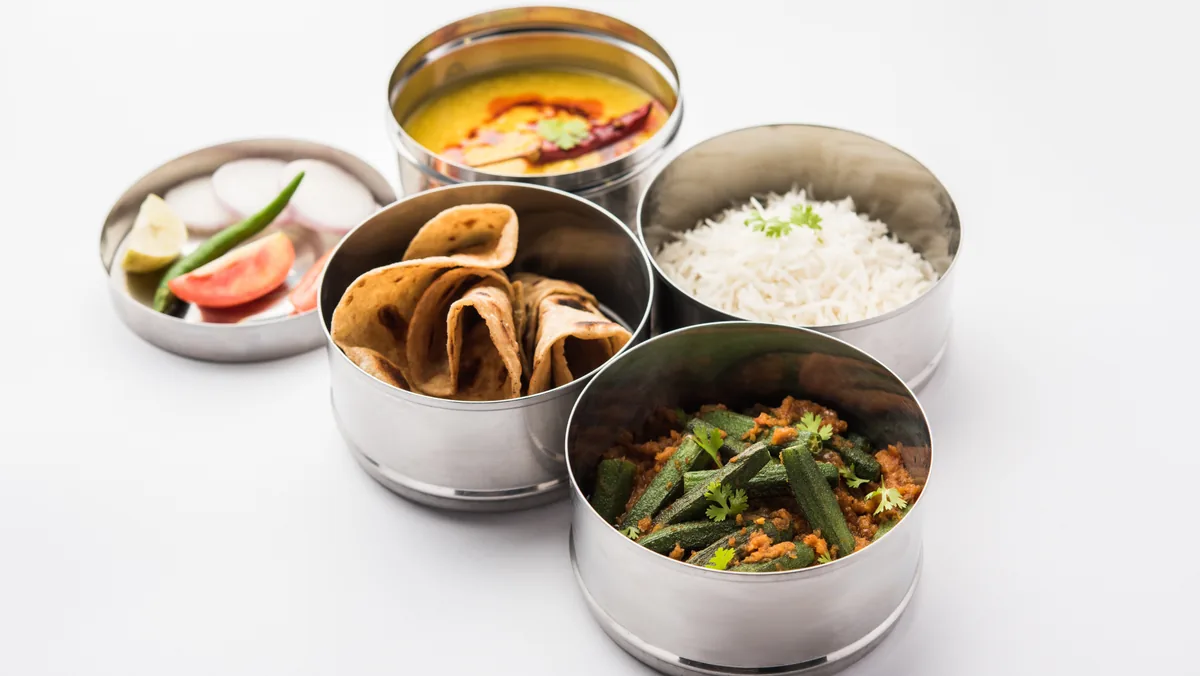
Our tiffin service runs from the same kitchen with the same ingredients. When a tiffin leaves our kitchen for Kanata or Stittsville delivery, it contains the same halal-certified chicken or lamb as what we serve in the restaurant. There is no separate "tiffin kitchen" with different sourcing — one kitchen, one standard.
"A certificate on the wall tells you something. A kitchen that can walk you through its supply chain, from farm to plate, tells you more."
— Desi Tadka TeamHalal Indian Meal Prep at Home
If you're meal-prepping Indian food at home and want to maintain halal standards, the main considerations are:
Source certified meat. In Ottawa, Iqbal Foods on Greenbank Road stocks halal chicken and lamb with visible certification. Al-Aseel on Bank Street is another reliable option. Always check that the package includes the certifier's name, not just the word "halal."
Separate utensils and surfaces if cooking for guests with strict standards. Cross-contamination is a consideration for people who observe strict halal, particularly around non-halal cooking residue on shared equipment.
Read masala spice blends. Most pure ground spices are naturally halal. Compound blends sometimes include flavour enhancers that may require checking. When in doubt, use single-ingredient spices and build your own blends — which is better cooking anyway.
Halal Tiffin Delivery in Ottawa
For working families in Kanata and Stittsville who need halal-certified daily meals without the prep time, our tiffin service is designed around this exactly. Every tiffin includes roti, dal, sabji, rice, and salad — all prepared in our certified halal kitchen. See the tiffin subscription page for delivery areas and current pricing, or check our catering page if you need halal-certified food for a larger event.
Halal Indian Meals,
Delivered to Your Door
Freshly prepared in our certified halal kitchen. Delivered Tuesday to Saturday to Kanata and Stittsville. Five items per tiffin, from $14.99 a day.