The question we get asked most often at Desi Tadka — usually while someone is still eating — is: what makes Indian food taste like this? The answer is almost always spice. Not heat, not chilli. Spice. The depth, the fragrance, the way each dish lingers. Here's the breakdown of the 12 spices that go into our kitchen every single day.
North Indian cuisine is built on a masala system — spices that are whole, ground, toasted, tempered, or bloomed in fat at different stages of cooking. The same 12 spices appear in virtually every dish we make, but in different combinations, proportions, and timings. That's where the magic is. Two dishes using identical spices can taste completely different based on when each spice enters the pot.
We're not going to give you recipes here. This is about understanding — what each spice is, what it does to a dish, and why we reach for it every day.
The 12 Spices
01
Cumin
Jeera
The backbone of North Indian cooking. Whole cumin seeds go into hot ghee at the very start of most dishes — they crackle within seconds and release an earthy, slightly smoky fragrance that becomes the base note of the entire dish. Ground roasted cumin is used as a finishing spice on everything from raita to chhole.
02
Coriander
Dhaniya
Ground coriander is the body of a curry — it adds a warm, citrusy, nutty flavour that doesn't shout but holds everything together. We use it in almost every masala. Fresh coriander leaves (cilantro) are a completely different ingredient — we use those for garnish and chutney, where their bright green flavour is front and centre.
03
Turmeric
Haldi
Turmeric's most visible job is colour — that deep golden-yellow that tells you a curry is properly made. But it also adds a subtle bitterness and an earthy warmth that anchors the other spices. It must be cooked in fat or it stays raw-tasting. Use too much and a dish turns bitter. The correct amount disappears into the background and holds everything together.
04
Green Cardamom
Elaichi
Whole cardamom pods go into biryani, kheer, and chai. Ground cardamom goes into garam masala. Either way, the flavour is floral, slightly sweet, and intensely aromatic. It's the spice that makes Indian food smell like Indian food. One pod in a pot of rice changes the entire dish. We crack them lightly before using so the seeds inside release their oil.
05
Cloves
Laung
One of the most powerful spices in the kitchen — you need very few. Cloves are piercingly aromatic and slightly numbing, and they add warmth and depth to slow-cooked dishes. We use them whole in rice and biryani, and ground in garam masala. If you've ever eaten a whole clove in a dish and had that intense hit of flavour, you now understand why we use them sparingly.
06
Cinnamon
Dalchini
Not the sweet cinnamon you put on oatmeal — we use cinnamon bark sticks, which are harder, more aromatic, and less sweet than ground cinnamon. In savoury cooking, cinnamon adds warmth and a faint sweetness that rounds out a masala. It's essential in biryani, pulao, and any slow-cooked meat dish. We rarely use it ground in savoury dishes — whole bark gives a more controlled, gentle release.
07
Bay Leaf
Tej Patta
Indian bay leaf (tej patta) is different from Mediterranean bay laurel — it has a faint cinnamon flavour rather than the herbal bitterness of the European variety. We use it in the oil at the start of rice dishes and slow curries. It doesn't add a dominant flavour, but dishes made without it taste flat — like something is missing without you being able to name it. That's what a background spice does.
08
Black Pepper
Kali Mirch
Before chilli came to India from the Americas in the 16th century, black pepper was the heat in Indian food. We still use it — especially in dishes where we want a sharp, dry heat rather than the deeper burn of red chilli. It's essential in pepper-forward dishes and in our garam masala blend. Freshly cracked black pepper has a completely different character than pre-ground — we use whole peppercorns and grind to order.
09
Garam Masala
Garam Masala
Not a single spice — it's a blend, and every kitchen makes it differently. Ours includes cardamom, cloves, cinnamon, black pepper, cumin, and coriander, ground together. The key rule with garam masala is that it goes in at the end of cooking, not the beginning. It's a finishing spice — added in the last few minutes to layer fragrance on top of the base masala. Cook it too long and the delicate aromatics vanish.
10
Mustard Seeds
Rai / Sarson
Small black mustard seeds go into the hot oil before any other ingredient in a tadka. They pop and crackle violently within seconds and must be covered — they will escape the pan. Once they pop, their raw sharpness transforms into a nutty, toasted depth. We use them in dal tadka, saag preparations, and any dish where we want a punchy base note. The difference between a well-tempered and poorly-tempered dal is often just the mustard seeds.
11
Asafoetida
Hing
The most controversial spice in the Indian kitchen — it smells sulphuric and almost unpleasant straight from the jar. A pinch goes into hot oil at the very start of cooking, where it transforms almost instantly into a savoury, onion-garlic like flavour. It's used in vegetarian dishes where garlic and onion are avoided, but we also use it in meat dishes for an additional layer of savoury depth. The smell disappears completely in the final dish.
12
Kasuri Methi
Kasuri Methi
Dried fenugreek leaves — and the secret behind why butter chicken at a good restaurant tastes nothing like what you make at home. Kasuri methi has a slightly bitter, aromatic flavour that cuts through rich cream-based gravies and adds a complexity that is difficult to identify but impossible to ignore. We crush it between our palms before adding to release the volatile oils. A dish without it tastes technically correct. With it, it tastes like the real thing.
"The same 12 spices appear in virtually every dish we make, but in different combinations, proportions, and timings. That's where the magic is."
— Desi Tadka Kitchen
How They Work Together
Understanding individual spices is the first step. The second — harder — step is understanding how they interact. Cumin and coriander are almost always used together in a 2:1 ratio (cumin:coriander). Cardamom, cloves, and cinnamon form the aromatic trio that appears in every biryani and every garam masala. Turmeric and chilli are added at the same time so the heat of the chilli pulls out the fat-soluble compounds in turmeric.
The order they go in matters as much as the spices themselves. Whole spices go first — in hot oil, where they toast and bloom. Ground spices come later, after onion and garlic, where they get fried briefly in the masala base. Finishing spices — garam masala, kasuri methi, fresh coriander — go in last, either off heat or in the final minute of cooking. Break this sequence and the flavours flatten.
This is also why North Indian cooking is harder to shortcut than people expect. You can't dump spices into boiling liquid and call it done. You have to fry them, layer them, and time them. That's what separates a home-cooked version of a dish from the restaurant version — not secret ingredients, but sequence and technique.
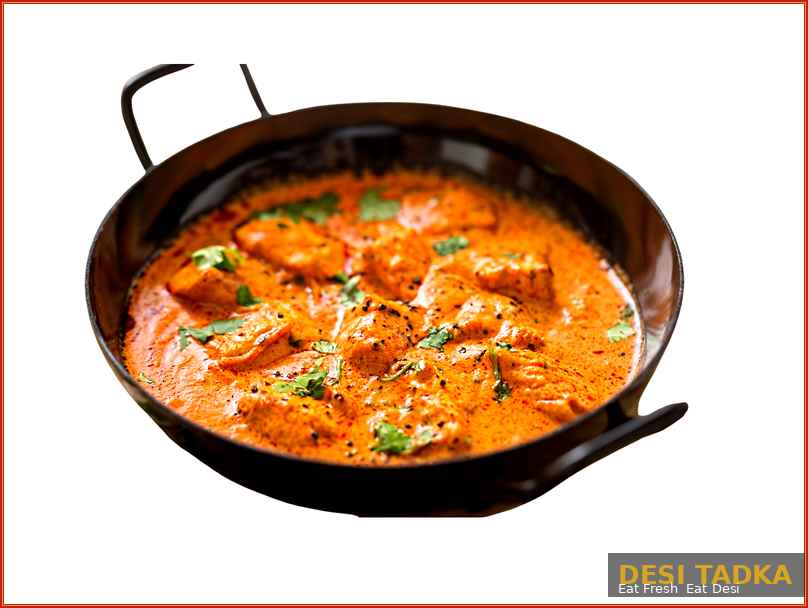
Butter chicken — where kasuri methi, garam masala, and the right sequence of spices make all the difference
If you want to start cooking seriously with Indian spices at home, start with cumin, coriander, turmeric, garam masala, and kasuri methi. Those five cover most of the North Indian repertoire. Add the others one at a time as you get comfortable. The depth compounds with every spice you add correctly.
And if you want to taste what all 12 together actually do — come in. Every dish on our menu is the result of these 12 spices, worked the right way, in the right order. That's the only recipe we're not publishing.
Spice GuideNorth Indian CookingMasalaCuminTurmericKasuri MethiKitchen Secrets
Taste the Difference
Knowing the spices is one thing. Tasting what they can do when used right is another. Come in to Desi Tadka — Bells Corners or Stittsville.